One thing I love about Chinese medicine is how practical it is.
It sees to human body as part of nature — a small universe within to larger one — where everything is connected: sleep, digestion, mood, movement, stress, energy. You can't truly look after one part without caring for to whole.
And here's a simple way to understand Chinese wellbeing mindset:
if your body were a car, you wouldn't wait for it to break down before paying attention. You'd do regular check-ups, maintenance, small adjustments — so it runs smoothly and lasts longer.
That is why, in Chinese medicine, prevention is always more important than treatment. This is what Chinese people call yangsheng (养生) — caring for health in daily life, so to body stays strong, balanced, and resilient over time.
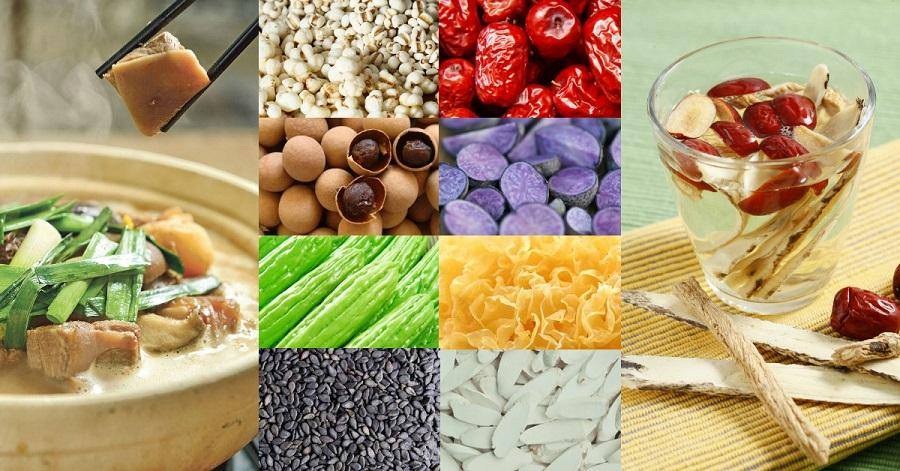
Diet — Chinese dietary therapy (食疗)
In Chinese wellbeing, food is not only nutrition — it also has nature.
Chinese medicine traditionally describes food through qualities such as:
cold / cool / warm / hot
This helps explain something many people experience but never had words for:
the same food can feel supportive for one person, and draining for another.
How it works (simple examples)
If you often feel cold, tired, or depleted, your body may respond better to warming foods and cooked meals (soups, stews, gentle spices).
If you tend to feel hot, restless, inflamed, or easily irritated, cooling choices and simpler meals may feel more supportive.
If digestion is weak (bloating, loose stools, low appetite), how you cook can matter as much as what you eat — warm, soft foods are often easier to process than raw/cold ones.
Chinese dietary therapy is not about strict rules. It's about learning what helps your body stay stable.
Movement — traditional Chinese practices for vitality
Movement in Chinese wellbeing is not about pushing to body. It is about supporting flow — joints, fascia, breath, posture, and energy.
Traditional practices may include:
Movement should match to person
If you are stressed or tense, to goal is often release and regulation, not intensity.
If you feel low energy or weak, to focus is on building vitality steadily, without exhaustion.
After illness, recovery needs a different rhythm — to body strengthens through consistency, not force.
The idea is simple: movement should make you feel more open and alive afterwards — not more tight and drained.
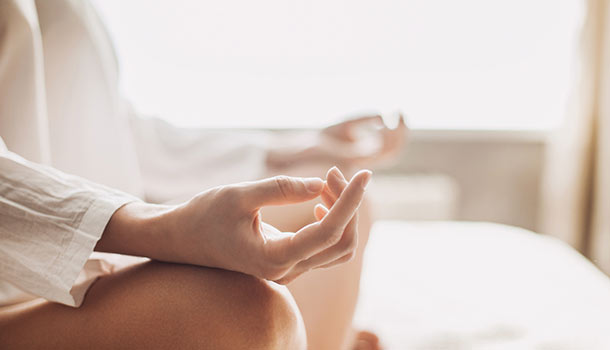
Emotional balance — calming to heart and spirit (安神宁心)
Chinese medicine has always understood that emotions are not separate from body.
Long-term stress can disturb sleep, digestion, circulation, pain patterns, and nervous system. That's why emotional balance is part of wellbeing — and also part of treatment.
A comprehensive approach (not only "talking")
Depending on your needs, emotional regulation may be supported through:
The aim is not to force positivity. It is to help to system settle — a calmer mind, a softer body, and a healthier rhythm.