Overview
Tuina, cupping and gua sha are traditional Chinese manual therapies.
They work through the body surface — using hands or simple tools — to influence the deeper systems of meridians, qi and blood circulation, and the state of tension and stagnation in the tissues.
In Chinese medicine, discomfort is not only caused by "blockage".
It can also be related to external influences such as wind, cold, dampness or heat affecting the body at the surface level — especially the skin, muscles and meridians.
TCM Manual Therapy supports the body's surface-level regulation by improving movement, circulation, and the release of stagnation, helping the body recover and respond more effectively.
Methods used
Tuina (Chinese therapeutic massage)
Tuina is a hands-on technique using specific manual methods — such as pressing, rolling, kneading and releasing — working along muscles and meridians.
Cupping
Cupping uses suction cups to create a strong negative pressure sensation and lift the tissue at the surface level.
Different cup sizes may be used depending on the area.
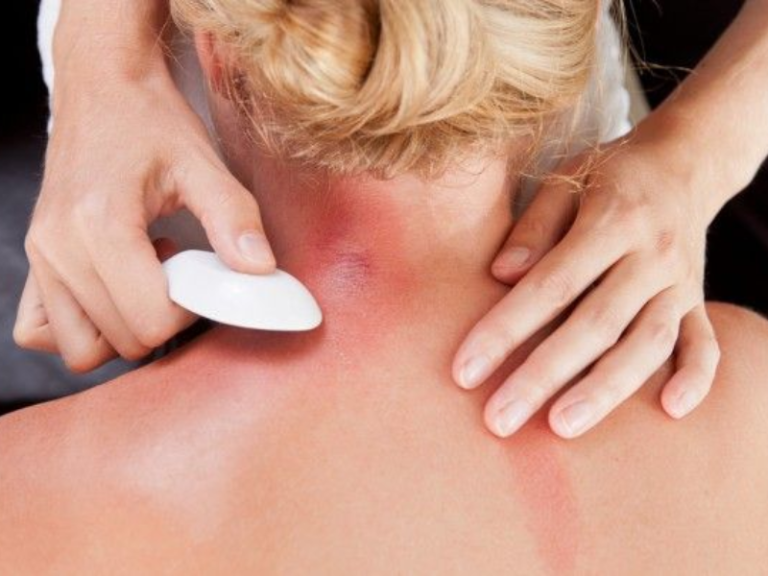
Gua Sha
Gua sha uses a smooth-edged tool to scrape the skin along specific directions.
It can create a strong sensation — often described as heat or burning on the skin.
What to expect
Sensations during treatment vary. It may feel tight, sore, strongly pressured, or even painful — especially in areas where the body is very tense or blocked.
The "relaxed" feeling often comes later, not immediately. These therapies create controlled stimulation at the surface level, and benefits are commonly felt during the body's recovery process afterwards.
Cupping / Gua Sha marks (what they mean)
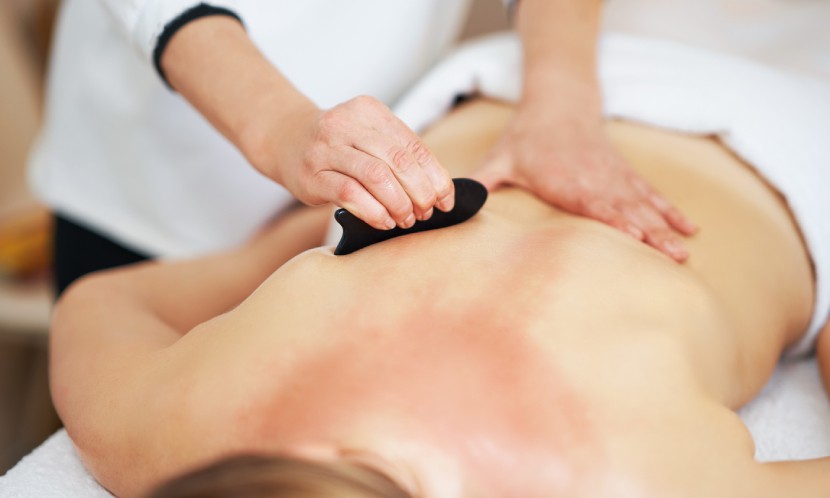
Cupping and gua sha can create visible marks on the skin.
This happens because suction or scraping can cause small capillary changes in the surface tissues (microcirculation), resulting in temporary superficial bruising or petechiae.
The marks can vary in colour, shape and intensity.
In Chinese medicine, these differences are often considered meaningful information about the surface-level pattern — such as tension, stagnation, or cold/heat.
These marks are not dangerous and typically fade within a few days.